Skip to content
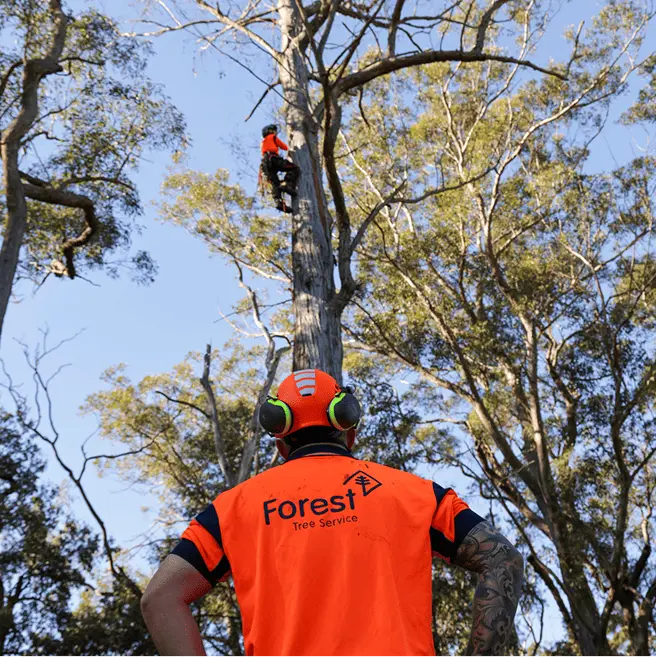
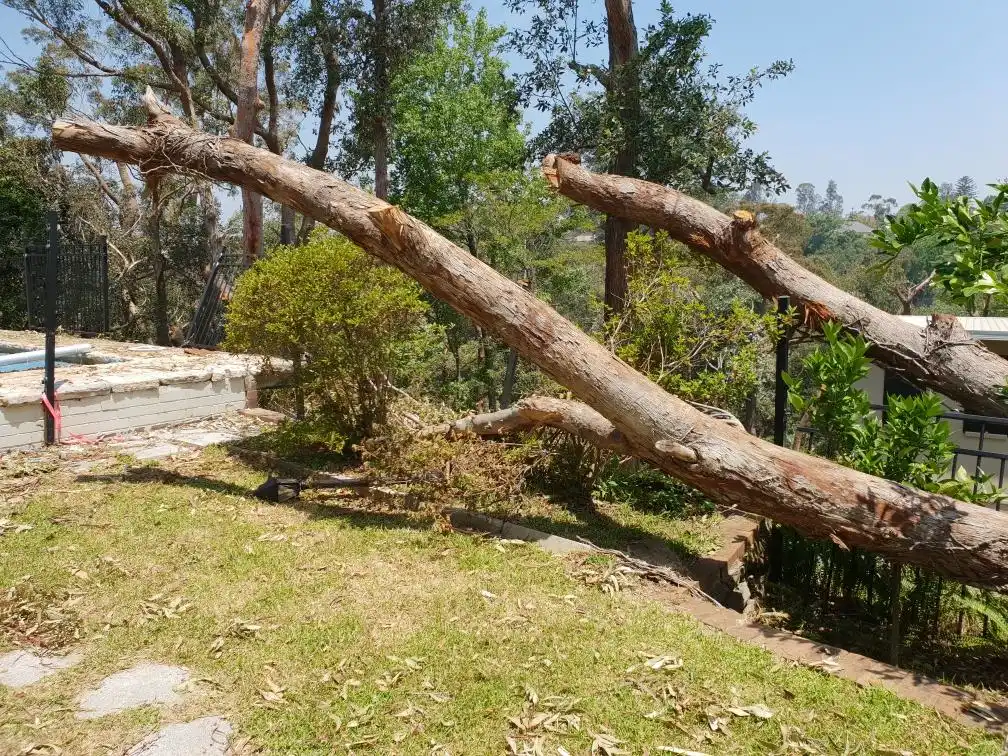
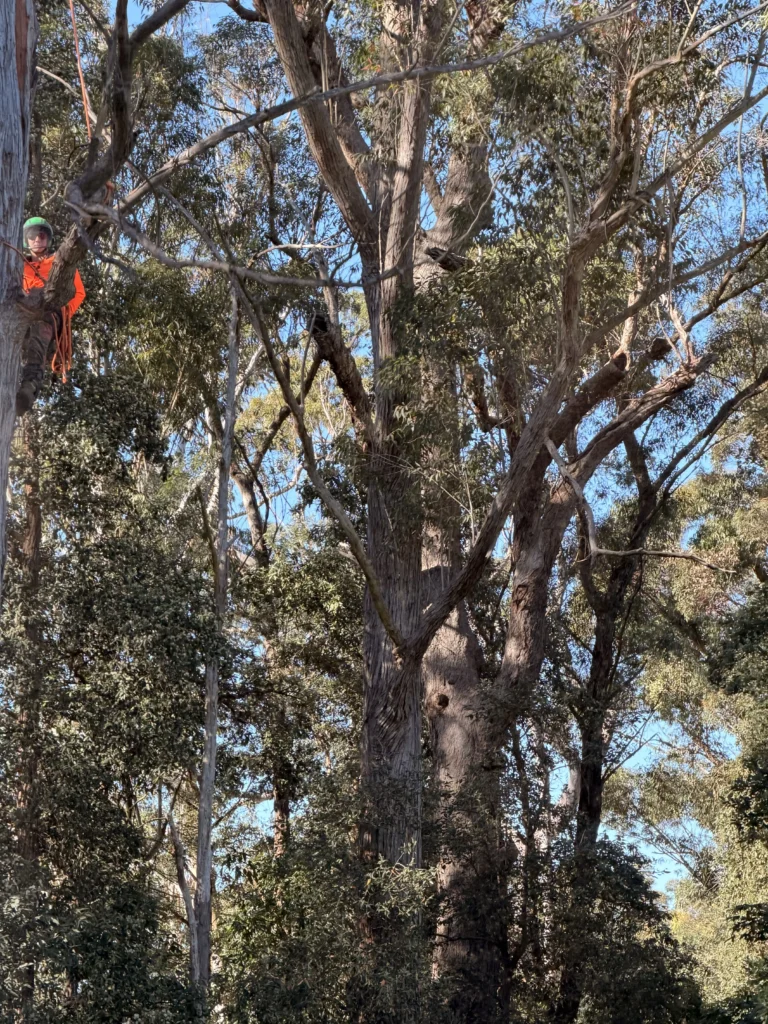

Pruning keeps trees healthy, safe and well shaped, but timing matters. Prune at the wrong time and you can stress a tree, reduce flowering or encourage weak regrowth. Prune at the right time and you set the tree up for strong, healthy growth.
Sydney’s mild climate means many trees can be pruned for much of the year. Still, some seasons suit certain trees better than others, and some types of pruning should happen before storm season. This guide explains how to choose the right window for your trees.
Key Takeaways
These are the key points to remember when planning tree pruning in Sydney.
- Late winter to early spring suits many deciduous and exotic trees
- Many Australian natives can be pruned through much of the year, with care in very hot weather
- Flowering trees are often best pruned soon after flowering finishes
- Dead, damaged or dangerous branches should be removed as soon as possible, whatever the season
- A pre storm season prune can reduce the risk of branches failing in severe weather
Why Pruning Timing Matters
Every pruning cut removes leaves and creates a wound the tree must seal off. When a tree is under stress, such as during extreme heat or drought, it has less energy to respond to that wound.
Timing also affects how the tree regrows. Heavy pruning at the wrong time can trigger lots of weak, fast growth, which may need more work later and can create new hazards.
Pruning Deciduous and Exotic Trees
Deciduous trees, such as jacarandas, liquidambars and many fruit and ornamental trees, are often pruned in late winter when they are dormant. Without leaves, it is easier to see the tree’s structure and make accurate cuts.
Pruning just before spring growth also allows the tree to close wounds quickly once it begins growing again. Avoid heavy pruning in late spring when trees are putting energy into new leaves.
Pruning Australian Native Trees
Many native trees common in Sydney, including gums and angophoras, do not have a strong dormant period. They can generally be pruned through much of the year, provided the work is done correctly and not during extreme heat or drought.
Native trees can also provide homes for birds and other wildlife. Before pruning, check for nests and hollows, especially in spring, and take care not to disturb animals that rely on the tree.
Pruning Flowering Trees
If you prune a flowering tree at the wrong time, you may cut off next season’s flowers. Many flowering trees and shrubs are best pruned soon after flowering finishes.
This gives the plant time to produce new growth that will carry the next season’s blooms. If you are unsure about a particular species, ask an arborist before you prune.
Prune Before Storm Season
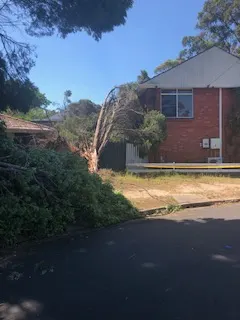
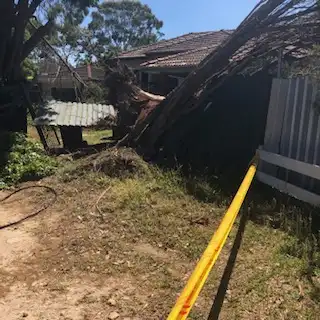
Sydney experiences severe storms, especially during the warmer months. Strong winds can snap weak branches and bring down trees that are top heavy or poorly structured.
The NSW SES recommends preparing for storm season by trimming trees and removing loose branches near your home. A professional inspection and prune before summer can reduce the chance of storm damage.
Check the Forecast Before Booking
The Bureau of Meteorology provides forecasts and warnings that help with planning. Avoid scheduling major pruning during heatwaves or periods of severe weather, both for the tree’s health and for crew safety.
When Pruning Cannot Wait
Some pruning should happen as soon as you notice a problem, regardless of the season. Safety always comes before ideal timing.
- Dead, broken or hanging branches
- Branches touching roofs, gutters or power lines
- Branches blocking driveways, paths or sight lines
- Storm damaged limbs that could fall
Pruning to Australian Standards
Good pruning follows recognised techniques that protect tree health. In Australia, the standard for pruning amenity trees is AS 4373 Pruning of amenity trees, which describes correct pruning methods.
Poor practices such as lopping and topping can weaken trees, encourage decay and create future hazards. Choosing a qualified arborist helps ensure your tree is pruned correctly.
Check Council Rules First
Many Sydney councils protect trees, and some limit how much of the canopy can be pruned without approval. Northern Beaches Council, for example, explains the rules for pruning trees on private land, and other councils publish similar guidance.
How Often Should Trees Be Pruned?
The right pruning frequency depends on the species, age and location of the tree. Young trees benefit from formative pruning to build good structure, while mature trees may only need attention every few years.
Trees close to homes, pools and paths may need more regular checks. Our arborists can recommend a maintenance schedule that suits your trees and your property.
Signs Your Tree Needs Pruning Now
Even if the season is not ideal, some signs mean your tree should be checked soon. Look out for the following.
- Branches resting on or rubbing against the roof
- Dead or leafless branches in the canopy
- A dense canopy that blocks light and airflow
- Branches growing towards power lines or over driveways
- Crossing branches that rub against each other
If you notice any of these, an arborist can recommend whether pruning should happen straight away or be scheduled for a better time of year.
How Forest Tree Service Can Help
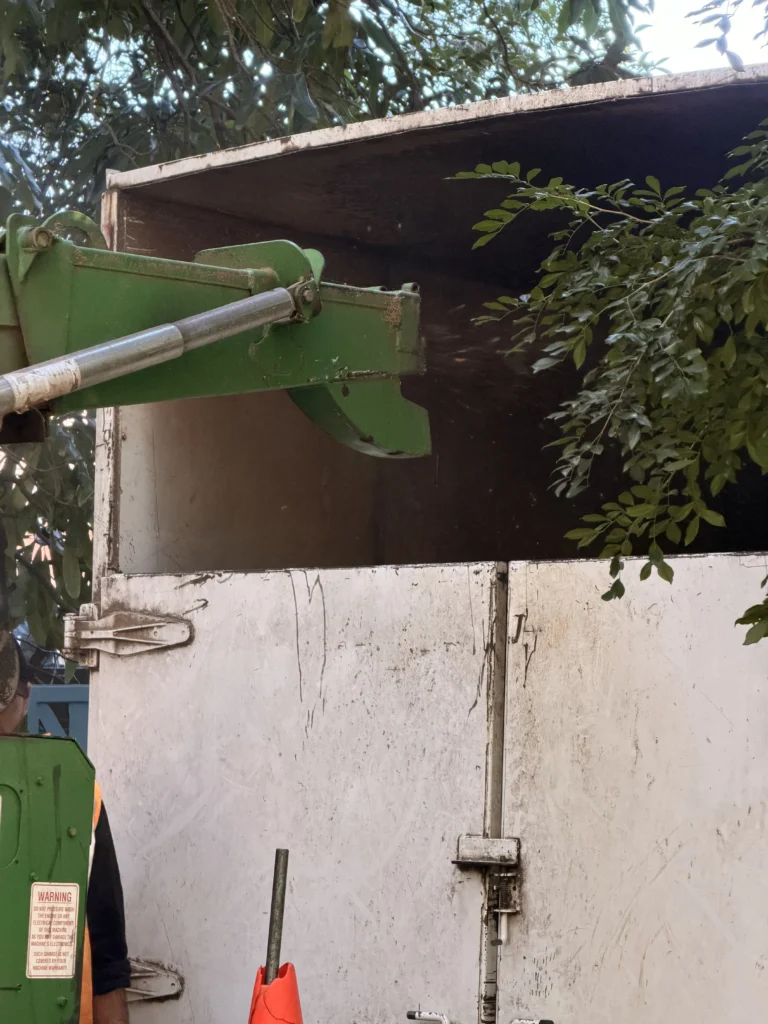
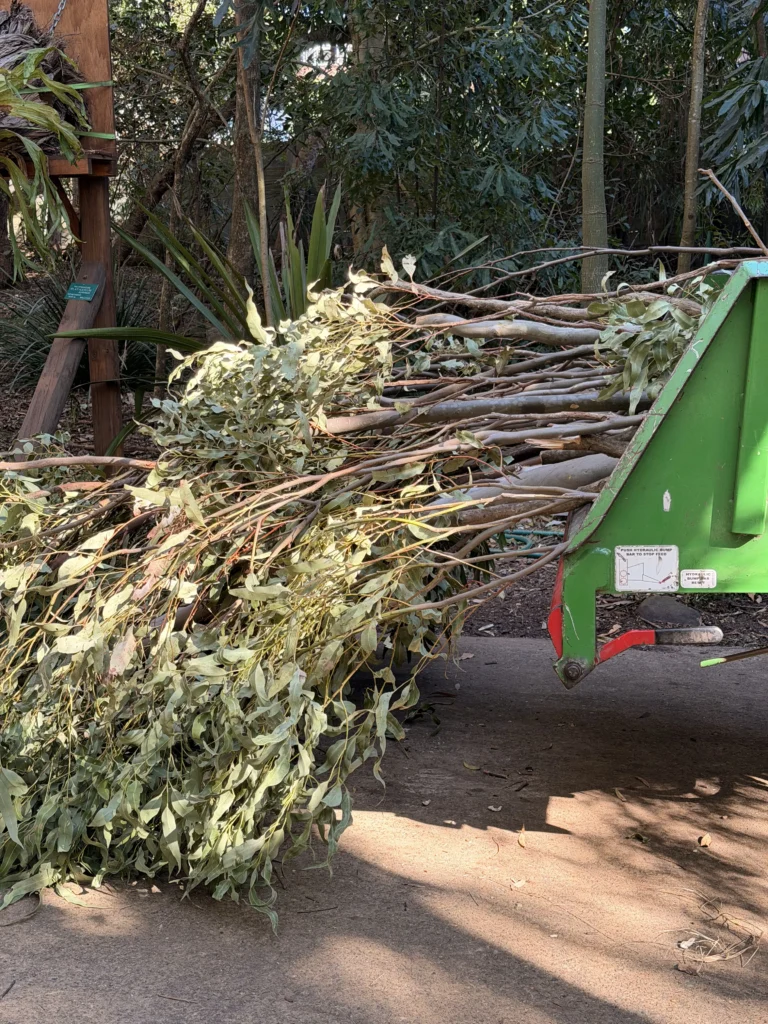
Our AQF Level 5 arborists assess each tree and recommend pruning that suits its species, health and setting. We prune to recognised Australian Standards and avoid harmful practices that weaken trees.
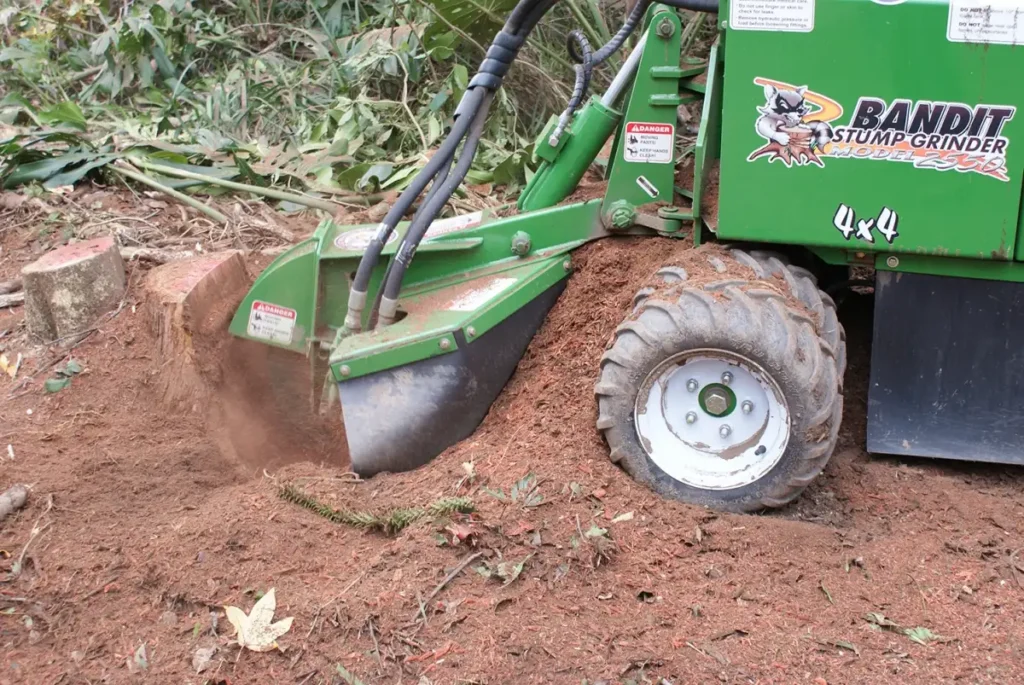
Our tree removal and pruning service covers crown thinning, crown lifting, deadwood removal and clearance pruning. If a tree is beyond saving, we can remove it safely and complete stump grinding in the same visit.
Plan Your Next Prune with a Qualified Arborist
Want to give your trees the best start to the season ahead? Our qualified team will assess your trees, recommend the right timing and complete the work safely and tidily.
Contact us or call 02 9451 9057 to book your pruning assessment with Forest Tree Service.