Skip to content
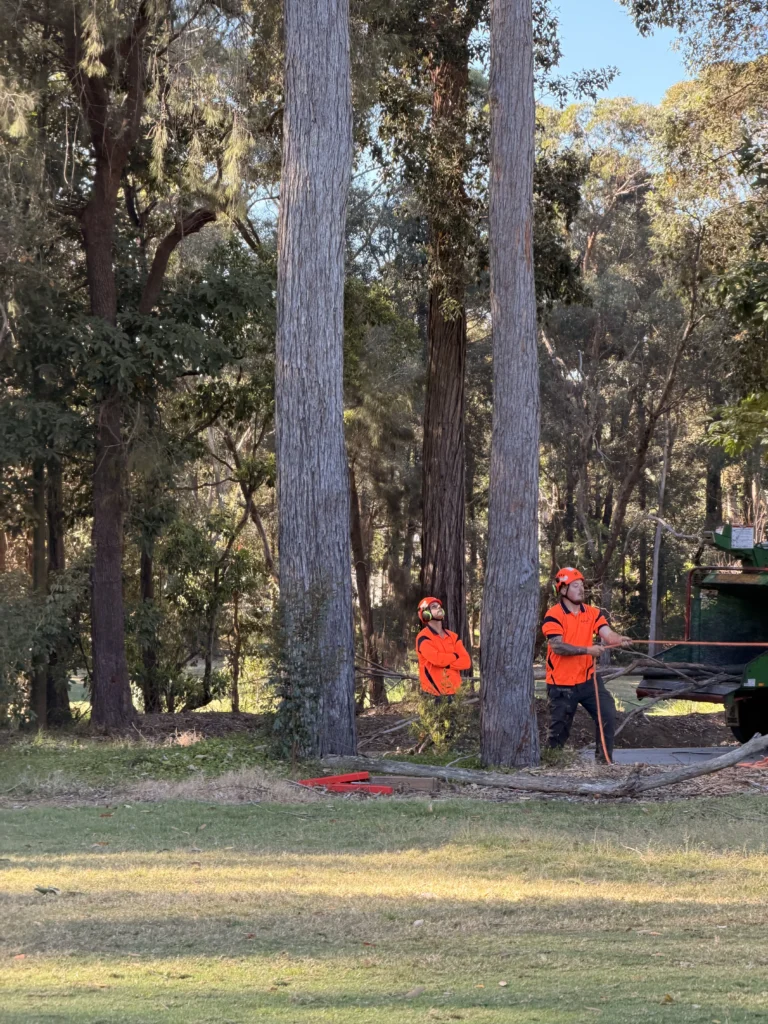
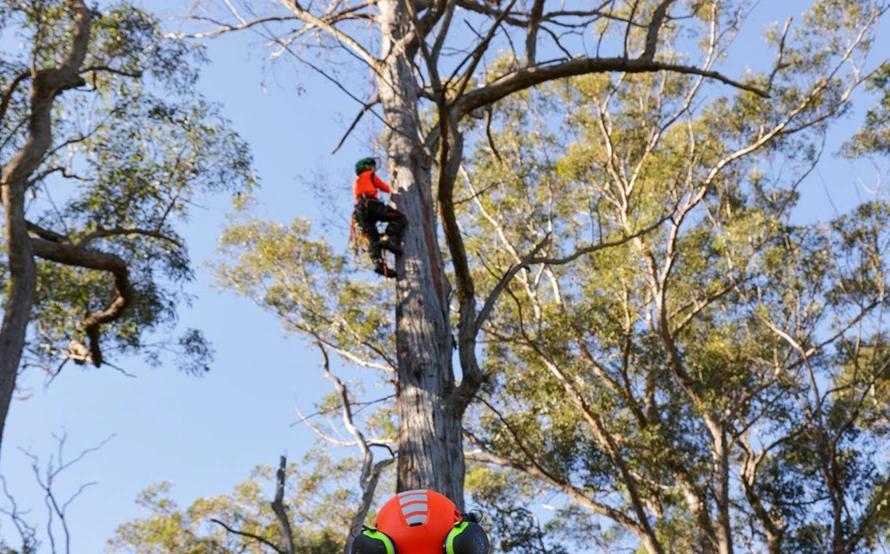
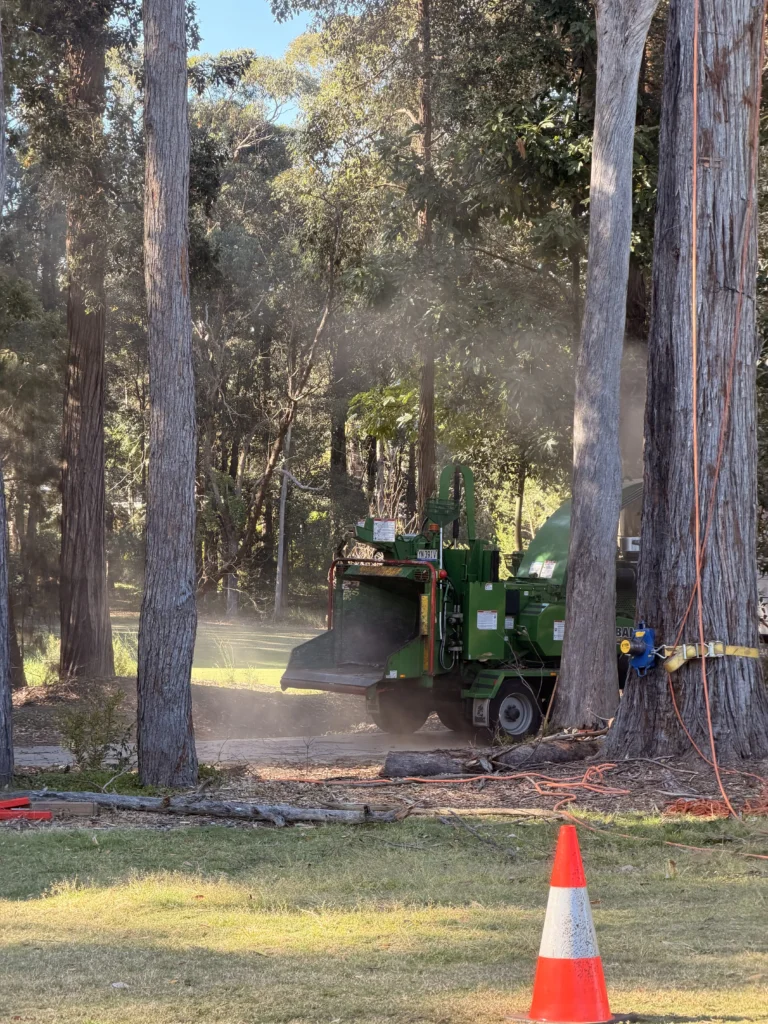
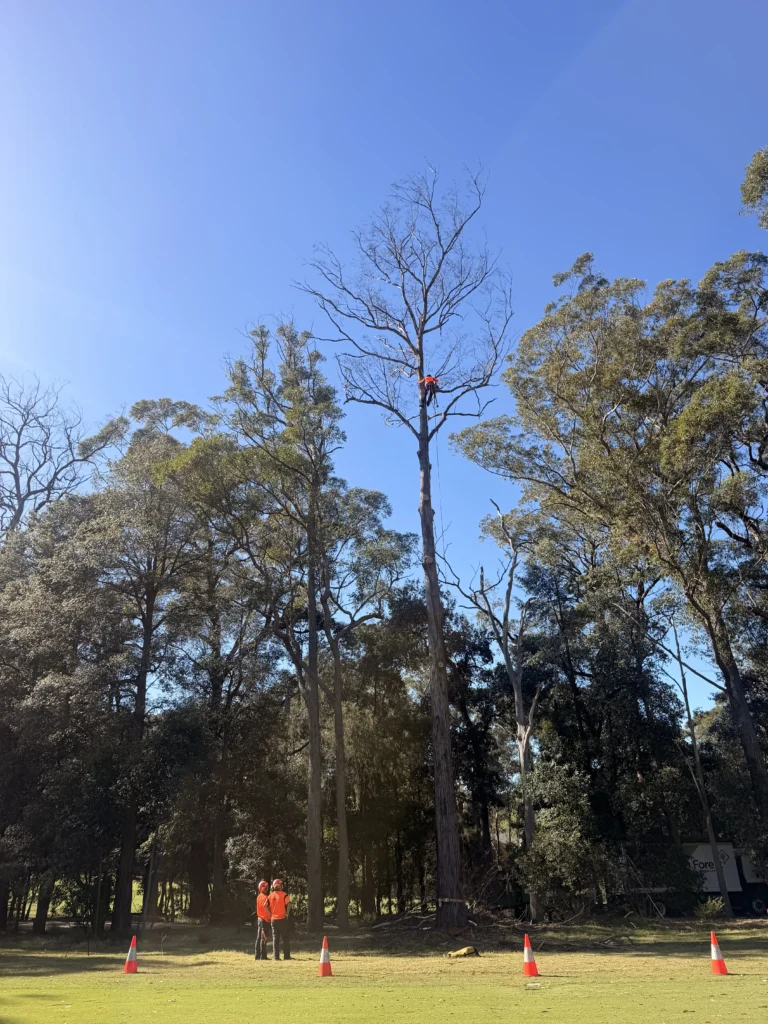

Trees rarely fail without warning. In most cases, there are visible signs that a tree is declining or becoming unstable long before a branch drops or the whole tree comes down. Knowing what to look for helps you act early, protect your family and avoid costly storm damage.
This guide covers eight common warning signs that a tree may be dying or dangerous. Some can be managed with pruning or treatment, while others mean removal is the safest option.
Key Takeaways
Keep these points in mind as you check the trees on your property.
- Dead branches, a sudden lean and fungi at the base are among the most serious warning signs
- Cracks, cavities and peeling bark can point to internal decay or structural weakness
- Root damage from construction or trenching can cause a tree to decline years later
- Not every warning sign means removal, so a professional assessment is important
- Storm season is the best time to have trees checked, before severe weather arrives
Why Early Detection Matters
A declining tree is much easier and cheaper to manage before it fails. Early intervention may allow a tree to be saved through pruning, while a neglected tree may need urgent removal after a storm.
Tree failure can also cause serious injury and damage. Safe Work Australia’s guide to managing risks in tree trimming and removal highlights how hazardous this work can be, which is why damaged trees should always be handled by trained professionals.
1. Dead or Dying Branches
Dead branches are one of the easiest warning signs to spot. Look for branches with no leaves during the growing season, brittle twigs and bark that is falling away.
Dead branches can fall without warning, especially in wind. A few dead branches may be removed through pruning, but widespread dieback across the canopy can mean the whole tree is in decline.
2. a Sudden or Increasing Lean
Many trees grow with a natural lean and remain stable for decades. The concern is a lean that appears suddenly or gets worse over time.
Look for soil that is cracked, lifted or mounded on the side opposite the lean. These signs can mean the root plate is moving, which is a serious risk that needs urgent assessment.
3. Fungi at the Base or on the Trunk
Mushrooms, brackets or other fungal growths near the base of a tree can indicate internal decay. Some fungi break down the wood that holds the tree upright, even while the canopy still looks healthy.
Fungi do not always mean a tree must be removed. However, they are a clear signal to have a qualified arborist assess the extent of any decay.
4. Cracks, Splits and Weak Unions
Deep cracks in the trunk or major branches weaken the tree’s structure. Pay close attention to the point where two large stems join, as these unions can split under load.
Included bark, where bark is trapped between two stems, is a common cause of weak unions. A tree with a split or cracked union may fail in strong wind.
5. Cavities and Hollow Sections
Hollows can form when decay spreads inside the trunk or branches. Signs include openings in the bark, sawdust like material and a hollow sound when the trunk is tapped.
Many trees live safely with small hollows, and hollows can be valuable habitat for wildlife. The question is how much sound wood remains, which an arborist can assess.
6. Root Damage and Soil Problems
Roots anchor the tree and supply water and nutrients. Damage from trenching, excavation, driveways or soil compaction can cause a tree to decline slowly over several years.
Look for thinning canopies, dieback and lifted soil around trees near recent building works. If you are planning works near a tree, get advice before digging begins.
7. Thinning Canopy and Poor Leaf Growth
A healthy tree usually has a full canopy for its species and season. Sparse foliage, small or discoloured leaves and early leaf drop can signal stress, disease or root problems.
Drought, pests and soil changes can all contribute. An assessment helps identify the cause and whether the tree can recover.
8. Storm Damage and Hanging Branches
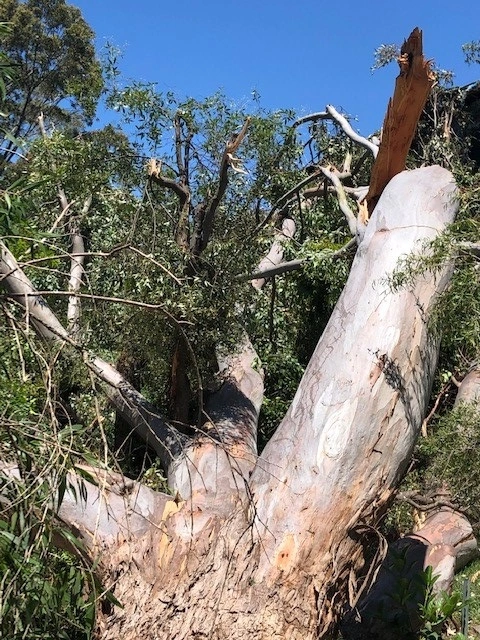
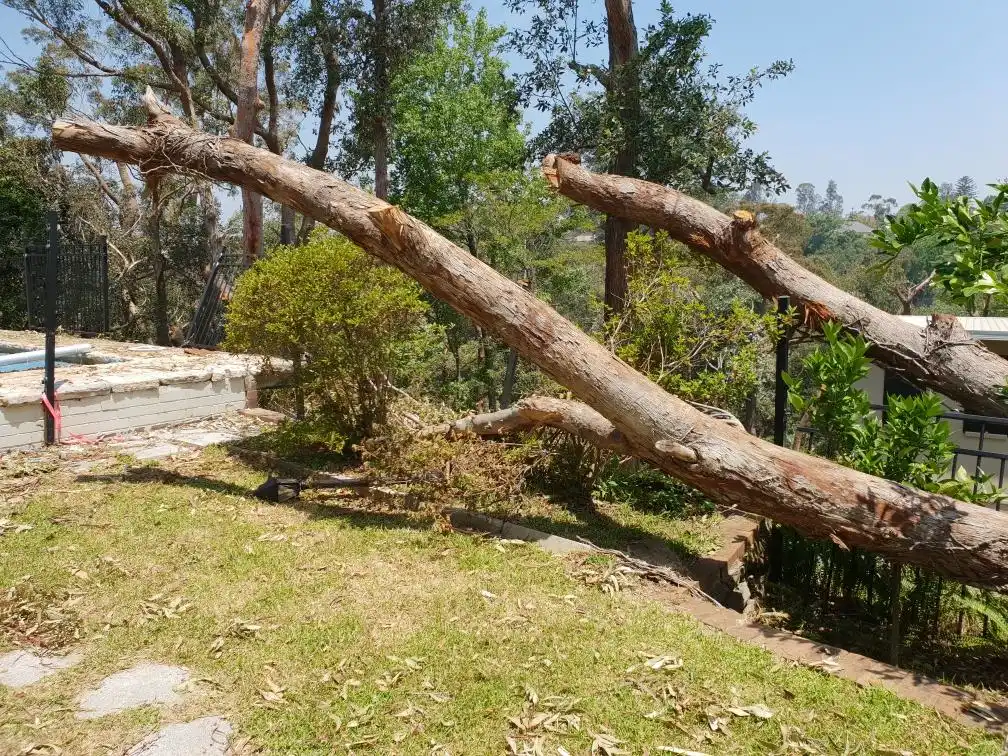
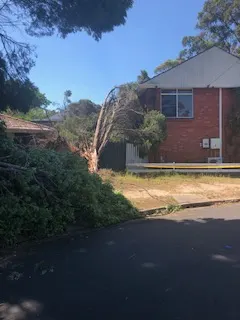
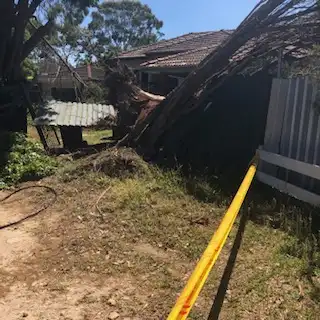
After a storm, check your trees for broken or hanging branches, torn bark and new cracks. Hanging branches, sometimes called hangers, can fall at any time.
If a tree is touching power lines, stay well clear. Ausgrid advises that trees near powerlines should be handled by professionals, and branches on wires should be reported to your network provider immediately.
What to Do If You Notice These Signs
If you spot one or more warning signs, avoid climbing the tree or cutting large branches yourself. Keep people and pets away from any area where branches could fall.
Take photos and book an inspection with a qualified arborist. Arboriculture Australia offers information on tree risk assessment, and our team can assess your tree in person and recommend the safest next step.
Prepare Before Storm Season
The NSW SES encourages households to get ready for storm season by checking trees and clearing hazards early. A pre season inspection is one of the simplest ways to reduce risk.
Can a Dangerous Tree Be Saved?
Not every problem tree needs to come down. Targeted pruning can remove dead or weak branches, reduce weight and improve the tree’s structure.
When decay or root damage is too severe, removal is often the safest choice. Our arborists will explain your options honestly and help you understand any council approvals that may apply.
How Forest Tree Service Can Help
Our AQF Level 5 arborists assess trees across Sydney and provide practical, honest advice. When a professional assessment is needed for council or an insurer, we prepare detailed arborist reports.
If removal is the right choice, our crew completes safe, fully insured tree removal in Sydney. For urgent hazards after severe weather, our emergency tree work team can make your property safe.
Book a Tree Health and Safety Check Today
Spotted a warning sign on one of your trees? Do not wait for the next storm to find out how serious it is. Our qualified arborists will assess the tree and recommend the safest course of action.
Contact us or call 02 9451 9057 to arrange your inspection with Forest Tree Service.